Songwriting Classes & Singer-Songwriter Lessons
Personalized Songwriting Lessons for Finding Your Sound
Songwriting lessons give you space to develop more than a finished song. They can help you understand how lyrics, melody, voice, emotion, storytelling, and musical choices work together so you can write with more confidence and create music that feels recognizably your own.
Whether you have never finished a song, already have notebooks full of ideas, or are preparing original music for recording and performance, the work can meet you where you are. These singer-songwriter lessons blend practical songwriting support with vocal coaching, creativity, expression, and the tools that help you move from an idea to a song you actually want to share.
Note to Songwriters
You do not need to wait for inspiration to magically arrive before you can write something meaningful.
Songwriting is creative, but it is also a skill you can practice. You can learn how to develop an idea, recognize what a song needs, strengthen lyrics, shape melodies, edit without losing the original feeling, and keep moving when perfectionism or self-doubt makes you want to abandon the process.
Your songs also do not need to sound like anyone else's to be valid. The goal of songwriting classes or lessons should not be to hand you a formula for making every song sound the same. It should be to give you enough structure, craft, and confidence to express what is actually yours.
What You Can Build Through Songwriting Lessons
Stronger Lyrics and Storytelling
Songwriting lessons can help you turn broad ideas into clearer images, stronger lyrics, and more intentional stories. You can explore structure, perspective, specificity, rhyme, repetition, and editing without losing the emotional truth that made you want to write the song.
Melody, Phrasing, and Vocal Expression
A strong lyric still needs a musical home. Singer-songwriter lessons can help you explore melody, phrasing, range, rhythm, and how the qualities of your own singing voice can shape the way a song is written and delivered.

More Consistent Creative Habits
You do not have to depend entirely on sudden bursts of inspiration. Songwriting classes and one-on-one coaching can give you exercises, prompts, structure, and accountability that make it easier to keep creating even when an idea does not arrive fully formed.

Confidence Sharing Original Music
Writing a song and sharing one can feel like two very different challenges. Lessons can help you strengthen the music itself while also developing the vocal confidence, performance skills, and self-trust needed to let other people hear what you have created.
Songwriting Course & Lesson Options

Introductory Singer-Songwriter Lesson
An introductory singer-songwriter lesson gives us a chance to explore where you are creatively and what you want to develop. You can bring an unfinished idea, an existing song, lyrics without music, music without lyrics, or simply the desire to start writing.
We can use that first session to identify the areas where support would be most useful. That may include songwriting craft, vocals, melody, structure, creative blocks, performance, or learning how to develop ideas more consistently.
Ongoing Songwriting Lessons
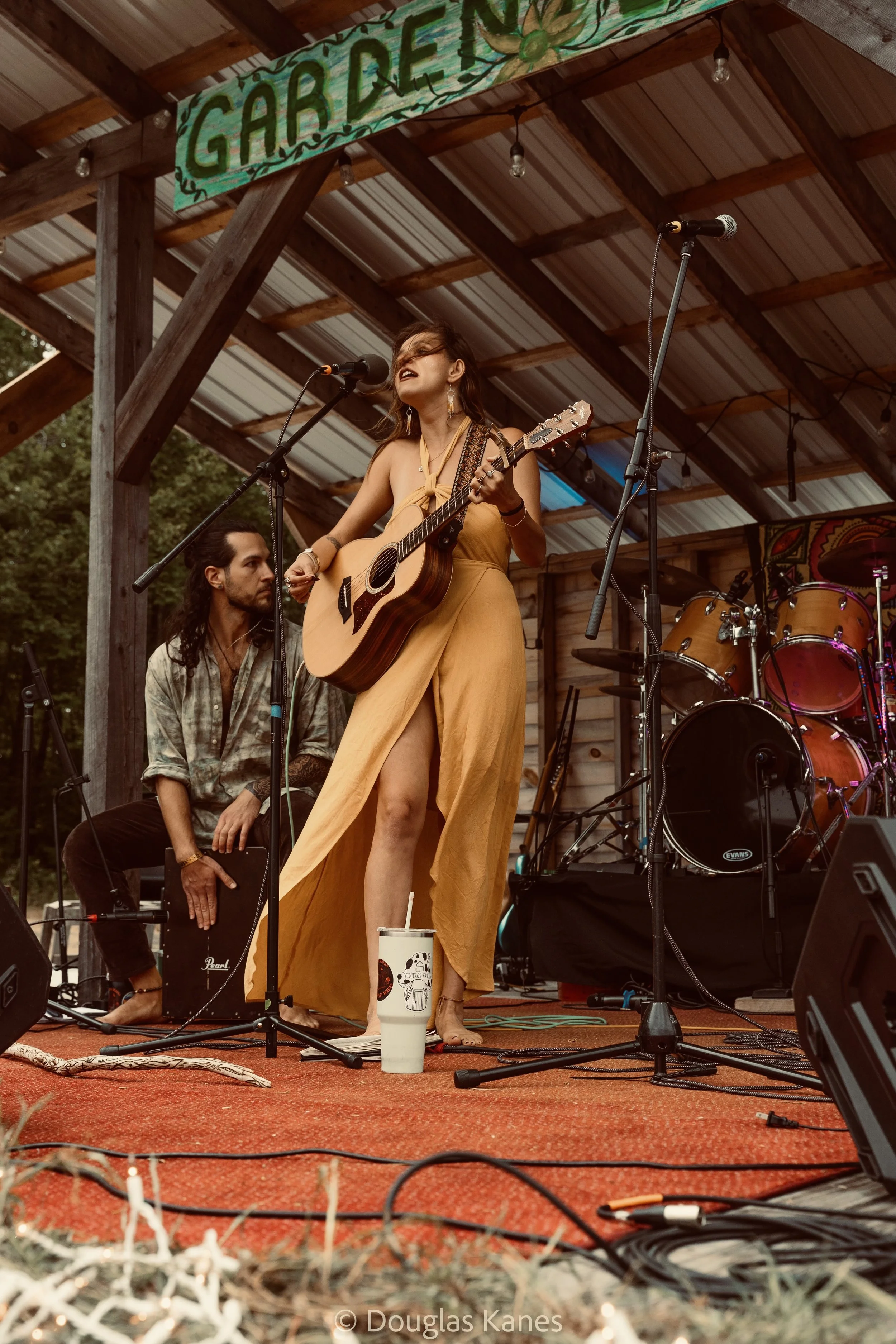
Regular songwriting lessons create a consistent place to bring new ideas, unfinished songs, creative questions, and work in progress. Rather than waiting until something feels polished, you can use sessions to explore what the song is becoming and make intentional decisions while you write.
Ongoing work can include lyrics, melody, structure, editing, vocal delivery, accompaniment, performance, and developing a creative process that works for you. Singer-songwriter lessons can also evolve as your goals change, whether you are writing for yourself, building a set of original songs, or preparing to share your work publicly.

10-Week Immersive Songwriting Program
For songwriters who want a deeper container, a longer songwriting course can create more time for both craft and personal creative work. The existing 10-week immersive songwriting program is designed to help writers move through blocks while incorporating songwriting, voice, and expression.
Rather than focusing only on isolated writing techniques, the program creates room to develop practical tools while also looking at what may be getting in the way of your creativity. It is designed for writers who want sustained support while developing songs that feel more honest, complete, and connected to their authentic voice.
Choose Between Private Songwriting Lessons or Group Songwriting Classes

One-on-One Songwriting Lessons
Private songwriting lessons give you dedicated space to focus entirely on your own songs, creative process, and goals. You can bring lyrics, melodies, voice memos, unfinished ideas, or completed songs and receive personalized feedback on structure, storytelling, phrasing, melody, vocal delivery, and whatever is keeping the work from moving forward.
Singer-songwriter lessons can also blend songwriting with vocal coaching, performance preparation, and singing while playing an instrument. This makes one-on-one work especially useful when you want to develop not only stronger songs, but also the skills and confidence to perform them in a way that feels authentic.
Group
Songwriting Classes
Group songwriting classes offer a different kind of creative support by giving you opportunities to write, experiment, share ideas, and learn alongside other songwriters. Hearing how other people approach lyrics, melodies, structure, and creative challenges can introduce new perspectives while helping you become more comfortable sharing work that is still in progress.
The group setting can also provide accountability, collaboration, and a stronger sense of creative community. Whether you are exchanging feedback, working from shared prompts, exploring co-writing, or developing original material, songwriting classes can help you build your craft while experiencing songwriting as something you do with other artists rather than entirely on your own.
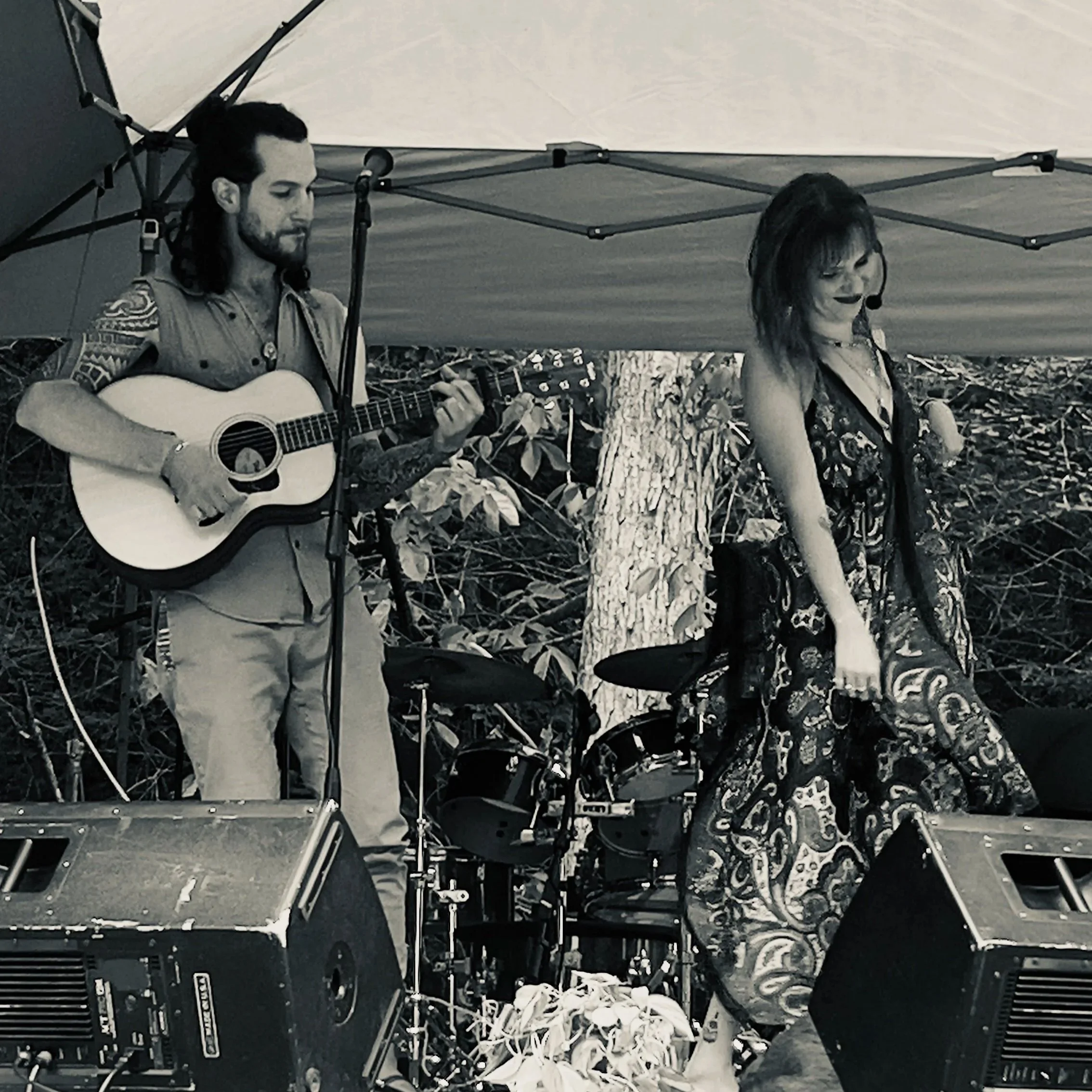
Whether you prefer focused one-on-one support or the creative energy of working alongside other writers, songwriting lessons can be shaped around the way you learn and create best. Both formats offer opportunities to strengthen your craft, explore new ideas, work through creative blocks, and become more confident sharing original music.
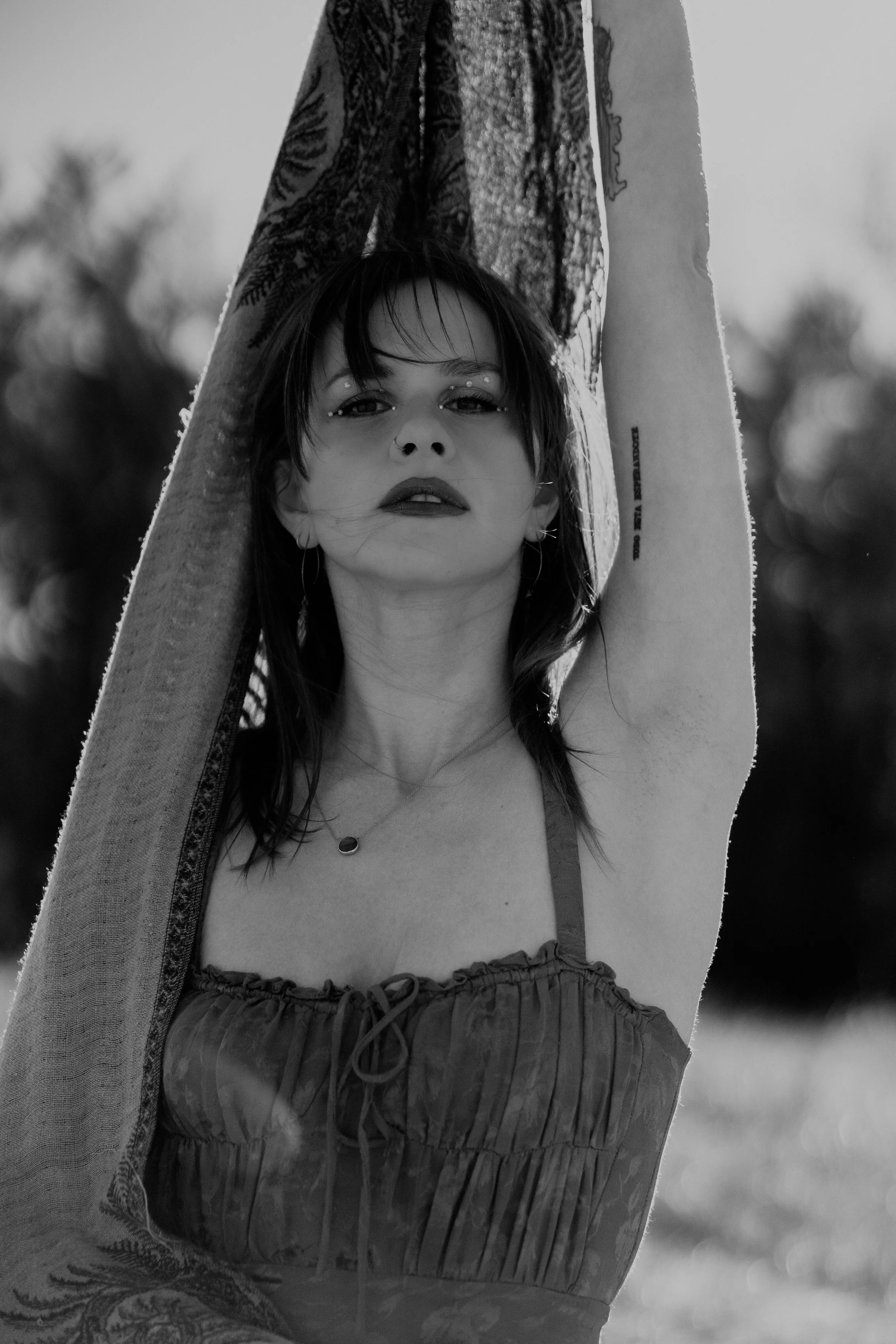
How to Get Started With Songwriting Lessons
Getting started begins with a consultation so I can learn more about your experience, the kind of music you want to make, and where you currently feel stuck or curious. You do not need to arrive with a finished song or even consider yourself a songwriter yet.
Bring whatever you have.
That might be a lyric, melody, voice memo, chord progression, unfinished song, finished song you are unsure about, or nothing more than an idea you want to explore. Songwriting lessons are where we begin working with the material, not something you have to earn by finishing it first.
Meet Your Songwriting Coach
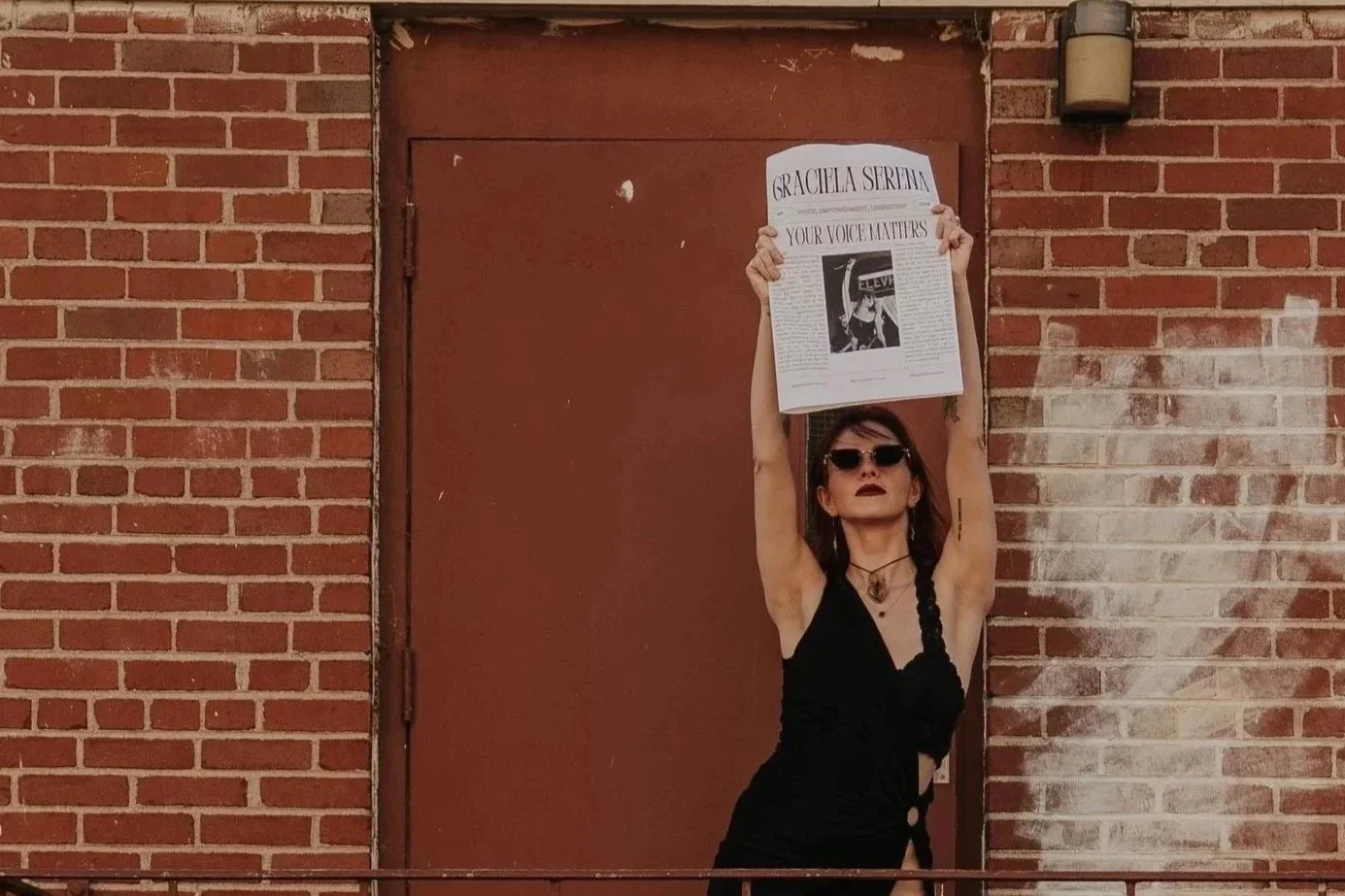
Graciela Serena
I am a songwriter, performing artist, vocal mentor, and expression coach, and songwriting has been part of my creative life since I was young. I understand both the craft of building a song and the much more personal experience of trying to turn something internal into music you are willing to let other people hear.
My approach to singer-songwriter lessons brings those worlds together. We can work practically with lyrics, melody, song structure, vocals, accompaniment, and performance while also paying attention to the creative blocks, self-consciousness, or perfectionism that may be affecting what you allow yourself to make.
I am not interested in teaching you to write songs that sound like mine. I want to help you develop enough craft, awareness, and trust to write songs that sound increasingly like you.

How Songwriting Lessons Take Your Music to the Next Level
-
Songs often begin as fragments: a title, image, melody, rhythm, line, feeling, or chord progression.
The first goal is learning how to capture those ideas without demanding that they immediately become complete songs. Songwriting lessons can help you develop ways to collect and explore creative material before your inner editor has a chance to discard it.
Not every idea will become a finished song. It does not need to. The more comfortable you become generating ideas, the less pressure each individual one has to be perfect.
-
Once an idea exists, the next question is often: what is this song actually about?
We can explore perspective, emotional focus, lyrical themes, structure, and what the listener needs to understand. Sometimes a song needs more detail. Sometimes it needs less.
The goal is to find the central thread so every section feels like it belongs to the same emotional and musical world.
-
Editing is not the opposite of creativity.
It is the process of listening more carefully to what you created and deciding what strengthens the song. Songwriting lessons can help you recognize when a section is repetitive, when a lyric needs more specificity, when the chorus arrives too late, or when a line you almost deleted is actually the heart of the whole thing.
Over time, you develop a stronger internal editor—one that supports your creativity instead of shutting it down.
-
Lyrics and melody affect one another constantly.
A strong line may become awkward if its natural rhythm fights the melody, while a beautiful melody may lose its impact if the lyric feels generic. Singer-songwriter lessons can help you listen to how words, rhythm, melody, phrasing, and vocal delivery interact.
This is also where your individual voice matters. The way you naturally phrase and sing can become part of how the song is written.
-
Finishing the writing process does not automatically mean you know how to perform the song.
Singer-songwriter lessons can help you explore vocal phrasing, dynamics, emotional delivery, microphone technique, stage presence, and how your instrumental accompaniment supports the vocal.
You can also practice singing while playing an instrument so the technical demands of performing do not pull you away from the emotional center of the song.

Expression Sessions + Songwriting Lessons
Creative blocks are not always solved by learning another songwriting technique.
Sometimes the idea is there, but something makes it difficult to trust it, finish it, or share it. Expression Sessions can complement songwriting lessons by creating space to explore perfectionism, fear of judgment, self-consciousness, nervous system patterns, and the stories that may be affecting your willingness to create freely.
This work can be especially valuable for singer-songwriters because your songs and your voice are both deeply personal forms of expression. You may be able to hide behind another person's song in a way that feels impossible when you are singing your own words.
The goal is not to remove all vulnerability from songwriting. It is to build enough trust in yourself that vulnerability no longer prevents you from creating.

“After not singing for two years, I started working with Graciela Serena and she opened up my voice as well as my heart! I'm a true believer in following your dreams, but I had almost given up. She encouraged me and challenged me. She was like a gem digger who knew how to bring the beauty to the surface. I highly recommend her services!”
— KD Forrestal— Former Client
Your Questions About Songwriting Classes, Answered
-
Absolutely. That combination is one of the biggest advantages of singer-songwriter lessons.
Your voice influences the melodies you write, and the songs you write create specific demands on your voice. We can work on breath, range, phrasing, tone, vocal health, and emotional delivery while also looking at the songwriting itself.
This can be particularly useful if you tend to write melodies that are uncomfortable to sing or if your technique makes it difficult to perform your songs the way you hear them internally. Vocal growth and songwriting growth can support one another rather than developing separately.
-
Yes, songwriting coaching can be done online, which makes it possible to work together even if you are not local to Asheville. If you are searching for an online songwriting class, private virtual lessons offer the benefit of working directly on your own songs rather than following the exact same exercises as everyone else.
An online songwriting course or lesson can include lyrics, melody, structure, editing, vocal coaching, performance, and creative blocks just like an in-person session. You can share lyrics, play works in progress, sing original songs, or bring voice memos and ideas into the session. The virtual format also allows you to work from the environment where you may already do most of your writing.
-
Writer's block can mean many different things.
Sometimes you simply need a new prompt, constraint, perspective, or way into the material. At other times, the block is connected to perfectionism, comparison, fear of writing something bad, or pressure to make every song important.
Songwriting lessons can help determine what kind of block you are experiencing and give you practical ways to keep moving. The goal is not to guarantee endless inspiration. It is to develop enough creative tools and self-awareness that getting stuck does not automatically mean you stop writing.
-
Yes. Once a song is written, we can shift attention toward how you actually want to share it.
Singer-songwriter lessons can include vocal delivery, phrasing, stage presence, microphone technique, arrangement, and singing while playing an instrument. We can also look at whether the song's key, range, or structure is working well in a live setting.
Performing original music can feel especially vulnerable because you are sharing both your voice and something you created. Rehearsing that experience in a supportive setting can help you become more comfortable communicating the song rather than simply trying to survive the performance.
-
A songwriting course may cover topics such as lyrical development, song structure, melody, creative exercises, editing, voice, performance, and developing a repeatable writing process. The exact format depends on the program.
The existing 10-week immersive songwriting program goes deeper by combining practical songwriting tools with voice and expression work. It is designed not only to help you develop songs, but also to explore creative blocks and the deeper work that may affect your ability to express yourself authentically. That makes it a more sustained option for writers who want support beyond individual sessions.
-
Absolutely. You do not need to have written a complete song before beginning songwriting lessons. Some people arrive with years of ideas and unfinished material, while others begin because they have always wanted to write but have no idea how to turn a thought into lyrics and melody.
Beginner songwriting lessons can introduce concepts like song structure, lyrical focus, melody, rhyme, repetition, and editing gradually. You can learn those skills by applying them directly to your own ideas rather than waiting until you understand every songwriting rule. The most important starting point is curiosity and a willingness to create something imperfect. Craft develops through the process of writing.
-
Songwriting classes generally teach concepts to multiple writers at once, often following a shared curriculum or set of exercises. They can be valuable for learning craft and hearing how other writers approach the same challenge. Private songwriting lessons are more individualized because the entire session can respond to your songs, goals, creative process, and specific areas where you feel stuck.
One-on-one singer-songwriter lessons also make it easier to combine songwriting with vocal coaching and performance. If a melody is creating vocal strain, for example, we can work on both the song and the voice singing it. If the writing is strong but the performance is not communicating the emotion, we can address that too. The process can move wherever your work actually needs support.
-
No. Playing guitar, piano, or another instrument can be helpful, but it is not a requirement for learning how to write songs. Songs can begin with lyrics, melody, rhythm, vocal improvisation, or even an idea recorded into your phone.
If you do play an instrument, singer-songwriter lessons can incorporate it into the writing process. We can work on singing while accompanying yourself, how chords support melody, and whether the instrumental part is helping or distracting from the vocal. If you do not play, that does not disqualify you from songwriting. Your voice and ideas are already creative tools.
-
Yes. Finishing songs is one of the most common challenges writers face.
Sometimes the problem is structural: you have a strong verse but do not know what the chorus should accomplish. Sometimes the concept is too broad, the second verse is repeating the first, or the melody has nowhere else to go. Other times, perfectionism makes every unfinished song feel easier to abandon than revise.
Songwriting lessons can help you identify why a particular song is stuck instead of assuming you simply need more inspiration. We can break the problem into smaller creative decisions and give the song a clearer path forward. Learning how to finish is a skill in itself.
-
Yes. Lyric development can be a major part of songwriting lessons.
We can look at imagery, specificity, perspective, storytelling, rhyme, rhythm, repetition, emotional clarity, and whether the words naturally fit the melody. Sometimes stronger lyrics come from adding detail. Other times, they come from cutting away lines that explain too much.
The goal is not to make every lyric poetic or complicated. A simple line can be incredibly powerful when it is precise and emotionally true. Songwriting coaching can help you make more intentional choices about which words actually serve the song.
Book Songwriting Lessons
Whether you have never finished a song, have dozens of ideas waiting for attention, or are ready to develop your original music for performance, songwriting lessons can give you the structure and support to keep moving.
Book a consultation to strengthen your songwriting craft, develop your voice, move through creative blocks, and create songs that feel increasingly honest, intentional, and unmistakably yours.