
Singing Lessons for Children & Teenagers
Singing lessons for kids should give young singers space to learn, experiment, and build confidence without feeling like they have to sound perfect. These personalized lessons support healthy vocal development, musical skills, creativity, and authentic expression while meeting each student at their current age, experience level, and comfort level.
For teens, singing lessons can become an even deeper space to develop artistry, prepare for performances or auditions, explore songwriting, and strengthen the voice they are beginning to recognize as their own. Whether your child is singing purely for fun or already dreaming about performing, lessons are designed to support steady growth without taking the joy out of music.
Supportive, Holistic Singing Lessons for Kids and Teens
Note to Young Singers
You do not have to sound like your favorite singer to have a good voice. Your voice already has its own character, and singing lessons can help you understand how to use it with more freedom, confidence, control, and creativity.
It is okay to be nervous, make mistakes, crack on a note, or not know exactly what you are doing yet. That is part of learning. The goal is to build skills while creating a relationship with singing that feels encouraging, curious, and genuinely yours.
What Kids and Teens Can Build Through Singing Lessons
Healthy Vocal Habits From the Beginning
Children's voice lessons can help young singers learn how to use their voices with more awareness instead of simply pushing for louder sounds or higher notes. Lessons can introduce healthy habits around breath, vocal effort, warm-ups, and technique in a way that is approachable and appropriate for the student.
More Confidence
in Their Voice
Singing can feel vulnerable at any age. Singing lessons for kids create a supportive place to practice being heard, make mistakes without embarrassment, and gradually become more comfortable using their voice around other people.

Stronger Breath, Pitch, Tone, and Range
As students grow, lessons can help them better understand pitch, breath coordination, tone, range, stamina, and musical accuracy. The focus is on helping the voice become more reliable while respecting the fact that children's and teens' voices are still developing.

Greater Creativity, Musicality & Expression
Technique is only one part of learning to sing. Children's singing classes and private lessons can also encourage phrasing, interpretation, harmony, improvisation, songwriting, and the creative choices that help young singers connect more deeply with music.
Singing Lesson Options for Kids and Teens

Introductory
Singing
Lesson
An introductory lesson gives your child or teen a chance to meet me, explore their voice, and get comfortable with how lessons work. We can talk about what they enjoy singing, what they want to improve, and what kind of approach is likely to keep them engaged.
Ongoing
Children's Voice
Lessons
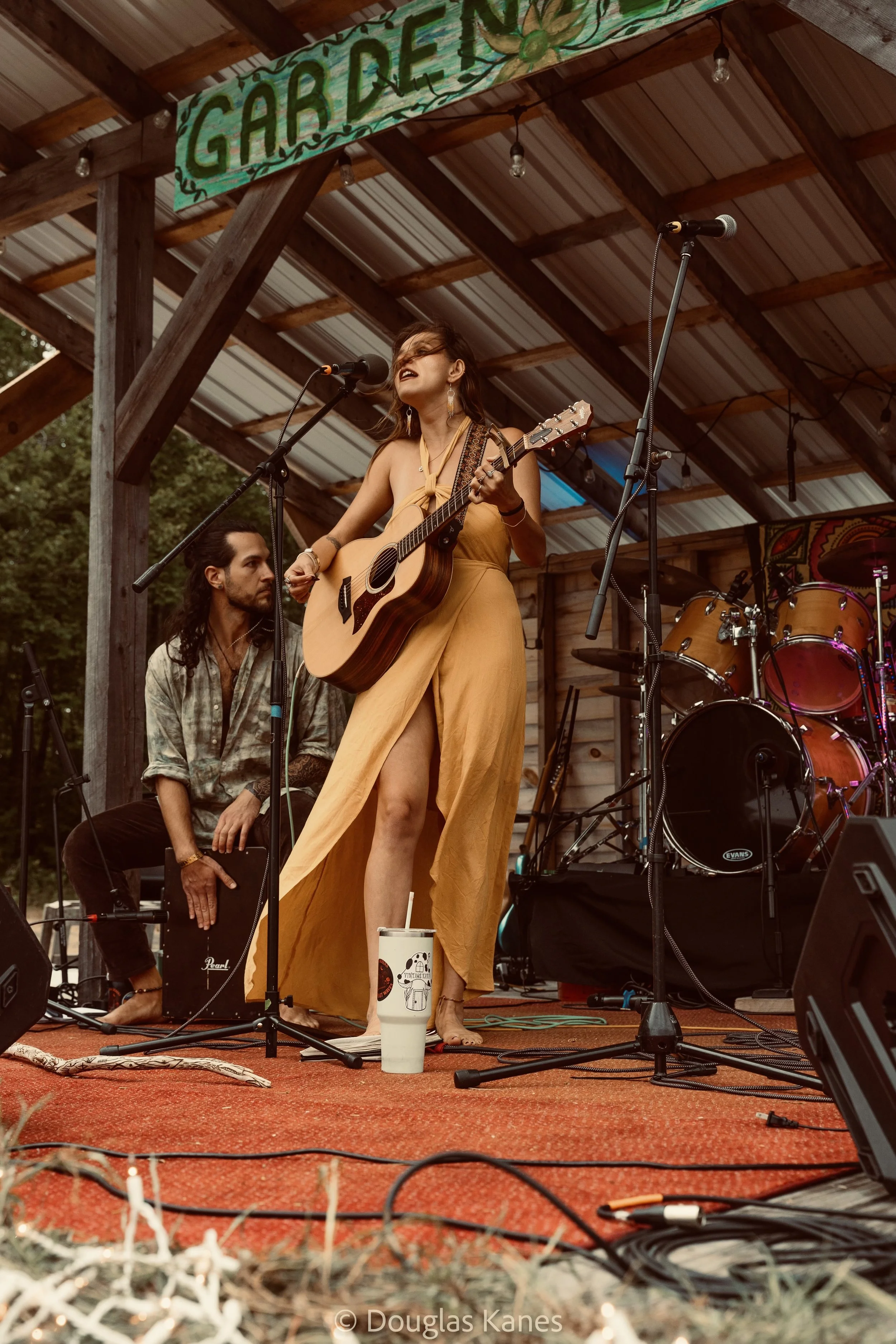
Consistent singing lessons for children create space for skills to develop gradually over time. Ongoing lessons can include technique, favorite songs, confidence building, musicianship, performance preparation, creativity, and other goals that evolve as the student grows.

In-Person or Online Singing Lessons for Teens and Kids
Depending on location and scheduling, students can work with me in person or virtually. Both formats offer personalized instruction, while in-person lessons provide access to a dedicated studio environment and online lessons make consistent coaching available to students who are not local.
Choose Between Private or Group Singing Lessons for Kids and Teens
Some young singers learn best with focused one-on-one attention, while others thrive when they can sing, listen, and build confidence alongside other students. Both formats can support healthy technique, musical growth, creativity, and a more comfortable relationship with being heard.

Private Singing
Lessons for Kids
and Teens
Private singing lessons give children and teens dedicated time to work at their own pace. Sessions can focus on breath, pitch, tone, range, confidence, favorite songs, audition preparation, songwriting, or other goals based on the student's age, experience, and interests.
One-on-one lessons can be especially helpful for students who are shy, brand new to singing, or working through a specific vocal challenge. They also give teens more room to develop individual artistry, prepare for performances, or explore the kind of singer and musician they want to become.

Group Singing
Classes for Kids
and Teens
Group singing classes give younger singers the chance to develop their voices while also learning how to listen, harmonize, perform, and make music with other people. Singing alongside peers can help students become more comfortable being heard and make vocal development feel social, creative, and fun.
For students who are ready for more performance-based experiences, group settings can also support microphone technique, stage confidence, harmony, and singing with live musicians. These shared experiences can complement private lessons by giving kids and teens a practical place to use the skills they are developing.
Getting started begins with a consultation so I can learn a little more about your child or teen, their experience, their interests, and what you hope they will gain from lessons. From there, we can begin with an introductory singing lesson that gives them a comfortable place to explore their voice and see how the coaching feels.
There is no expectation that a new student already knows how to sing correctly, read music, perform, or even explain what they want to improve. Singing lessons for children are meant to help uncover those things gradually. Curiosity and a willingness to try are enough to begin.
How to Get Started With Singing Lessons for Kids and Teens

Meet Your Singing Teacher for Kids and Teens
Graciela Serena
I bring together vocal mentorship, songwriting, performance experience, creativity, and expression coaching to help students develop a stronger and more authentic relationship with their voice. With younger singers, I want lessons to feel encouraging and engaging while still giving them practical tools that help them develop healthy technique and real musical skills.
I do not believe young singers need to be pushed toward perfection or taught to copy someone else's sound. My goal is to help each student understand their own voice, become more confident using it, and discover what makes singing meaningful to them. As students grow, we can continue expanding the work into performance, artistry, songwriting, musicality, and deeper self-expression.

How Singing Lessons for Kids and Teens Help Their Voices Grow
-
Young singers do not need to chase huge sounds or extreme ranges in order to improve. Children's voice lessons can focus on coordination, breath, pitch, tone, and ease while helping students understand what healthy singing feels like.
-
Singing becomes easier when students learn how to listen closely. Lessons can help kids and teens hear pitch more accurately, recognize musical patterns, understand melody and harmony, and become more independent when learning songs.
-
Getting the notes right matters, but music is about more than correctness. Singing lessons for teens in particular can begin exploring phrasing, interpretation, emotion, stage presence, and how to communicate something real through a song.
-
Songs students already love can become practical tools for developing technique. Instead of separating exercises from music entirely, singing lessons for children can connect new skills directly to songs that keep the student interested and motivated.
-
Confidence usually develops through repeated experiences of trying, learning, and realizing that mistakes are manageable. Consistent lessons give younger singers a place to keep developing without feeling like every session is a test or performance.
Over time, students can become more comfortable with their voice, more independent in their practice, and more willing to challenge themselves musically.

Expression Sessions + Songwriting Lessons
Creative blocks are not always solved by learning another songwriting technique.
Sometimes the idea is there, but something makes it difficult to trust it, finish it, or share it. Expression Sessions can complement songwriting lessons by creating space to explore perfectionism, fear of judgment, self-consciousness, nervous system patterns, and the stories that may be affecting your willingness to create freely.
This work can be especially valuable for singer-songwriters because your songs and your voice are both deeply personal forms of expression. You may be able to hide behind another person's song in a way that feels impossible when you are singing your own words.
The goal is not to remove all vulnerability from songwriting. It is to build enough trust in yourself that vulnerability no longer prevents you from creating.

“After not singing for two years, I started working with Graciela Serena and she opened up my voice as well as my heart! I'm a true believer in following your dreams, but I had almost given up. She encouraged me and challenged me. She was like a gem digger who knew how to bring the beauty to the surface. I highly recommend her services!”
— KD Forrestal— Former Client
Your Questions About Singing Lessons for Kids and Teens, Answered
-
Yes. Singing lessons for teens can be shaped around auditions for musical theatre, school productions, competitions, or other performance opportunities. We can work on song selection, vocal technique, breath, pitch, phrasing, interpretation, confidence, and how to stay grounded while someone is evaluating the performance. Preparation can help the audition feel more familiar and less overwhelming.
Audition coaching is not only about trying to guarantee a particular result. It is also about helping the student walk into the room knowing that they have prepared thoughtfully and understand their material. Those skills can carry into future auditions even when the outcome is unpredictable. True Voice specifically includes musical theatre audition preparation among the vocal goals its coaches support.
-
Yes, and I generally want students to have a real connection to at least some of the music they are singing. Songs they enjoy can be used to work on pitch, breath, range, tone, phrasing, interpretation, and confidence without making the lesson feel disconnected from why they wanted to sing in the first place. Musical taste can also tell us a lot about the kind of artist or singer a student may be becoming. That makes repertoire an important part of the learning process.
There may also be times when I suggest a song or exercise because it addresses a particular vocal skill. The lesson can balance those teacher-selected tools with music the student genuinely wants to sing. True Voice's current program likewise notes that students apply new vocal skills through both assigned songs and their own favorites across genres.
-
Absolutely. Teens who are interested in creating their own music can use lessons to explore songwriting alongside vocal development. That can include melody, lyrics, phrasing, emotional delivery, vocal choices, and how the song sits in their individual voice. Writing original music can also give teens another way to develop a stronger artistic identity. The voice becomes part of the creative process rather than something separate from it.
For students who accompany themselves, we can also work on coordinating singing with an instrument. Learning to maintain breath, phrasing, timing, and expression while playing adds another layer of musicianship. True Voice currently includes songwriting and basic guitar among the additional areas available to students.
-
No. Performance can be a wonderful goal, but it does not have to be the reason a child takes singing lessons. Some students want to perform in musicals, bands, school events, or showcases, while others simply love music and want to become better singers. Children's voice lessons can be valuable in either case. Learning can remain creative and rewarding even without a public performance goal.
If a student becomes interested in performing later, we can begin preparing gradually. That might include learning microphone technique, practicing stage presence, choosing appropriate songs, or singing in front of a small supportive group before moving into a larger setting. True Voice also offers periodic performance opportunities for students who are ready and interested.
-
Absolutely. A child does not need previous singing lessons, performance experience, or formal musical training to begin. Many students start simply because they enjoy singing and want to learn more about what their voice can do. Lessons are personalized so beginners can start with approachable skills rather than feeling like they are already supposed to know the basics.
Children's singing classes and private lessons can introduce pitch, breathing, vocal awareness, rhythm, and healthy singing habits gradually. As confidence grows, students can begin working on more challenging songs and techniques. The pace can be adjusted based on age, experience, and how the individual student learns. The goal is progress without unnecessary pressure.
-
Children's voice lessons need to account for the fact that both the student and the voice are still developing. That means the approach should be age-appropriate, flexible, and focused on building healthy habits without asking a young singer to force sounds their voice is not ready to make. Lessons also need enough creativity and variety to keep younger students engaged. The student's enjoyment of music matters just as much as technical progress.
Singing lessons for children can therefore include games, familiar songs, listening exercises, creative exploration, and technical concepts presented in accessible ways. As students mature, the work can gradually become more detailed and independent. Teens may be ready to spend more time on technique, interpretation, auditions, performance, or songwriting. The coaching grows along with the student.
-
Yes, they can be. Teens are often beginning to develop stronger musical preferences, personal identities, performance goals, and opinions about how they want their voice to sound. Singing lessons for teens can give them more ownership over repertoire and goals while introducing increasingly sophisticated work around technique, range, phrasing, interpretation, and performance. This can be an exciting period of vocal and artistic development.
At the same time, teen voices are still changing, so the work should remain responsive rather than forcing the voice toward a predetermined sound. Some teens want to audition for musical theatre or perform with a band, while others simply want more confidence. Lessons can adapt to both. The goal is to help them grow without making singing another source of pressure.
-
They can support confidence, although the goal is not to change a child's personality or force them to become outgoing. Singing lessons for kids provide a consistent environment where young singers can practice being heard, try unfamiliar things, make mistakes, and gradually recognize their own progress. Those repeated experiences can help singing feel less intimidating. Confidence often grows naturally when a student feels capable and supported.
For shy students, private lessons can also offer a gentler starting place than immediately singing in front of a group or audience. There is room to build trust first and move toward performance only if and when the student is interested. Some children may eventually want to sing publicly, while others may simply become more comfortable using their voice. Both are meaningful forms of growth.
Book Singing Lessons for Kids and Teens
Whether your child is discovering singing for the first time, preparing for a performance, writing their own music, or simply looking for a place to become more confident in their voice, personalized lessons can give them room to grow at a pace that feels supportive.
Book an introductory call to learn more about singing lessons for kids and teens and take the first step toward healthier technique, greater confidence, creativity, and a lifelong relationship with music.