
In-Person or Online Group Voice Lessons & Group Singing Classes
Collaborative Group Voice Lessons
Group voice lessons give you the chance to strengthen your own voice while learning how to listen, blend, harmonize, and create with other singers. These group singing lessons are designed to support vocal technique, confidence, musicality, and authentic expression in an environment where everyone gets to learn from both individual coaching and the experience of making music together.
Whether you are singing with friends, a partner, family members, a band, or another small group, the work can be shaped around your shared goals. Group vocal lessons can include breath, tone, harmony, phrasing, performance skills, improvisation, and the practical tools that help each singer contribute more confidently without losing their individual sound.
Note to Singers
Your voice does not exist in isolation. Singing with other people can help you hear yourself differently, respond more intuitively, and discover new parts of your voice that may not emerge when you always practice alone.
Group singing classes create space to develop your own instrument while also learning how to listen, adjust, communicate, and make music as part of something larger. You do not have to disappear into the group to blend well. The goal is to strengthen your individual voice while learning how to use it with greater awareness and connection.
What You Can Build Through Group Voice Lessons
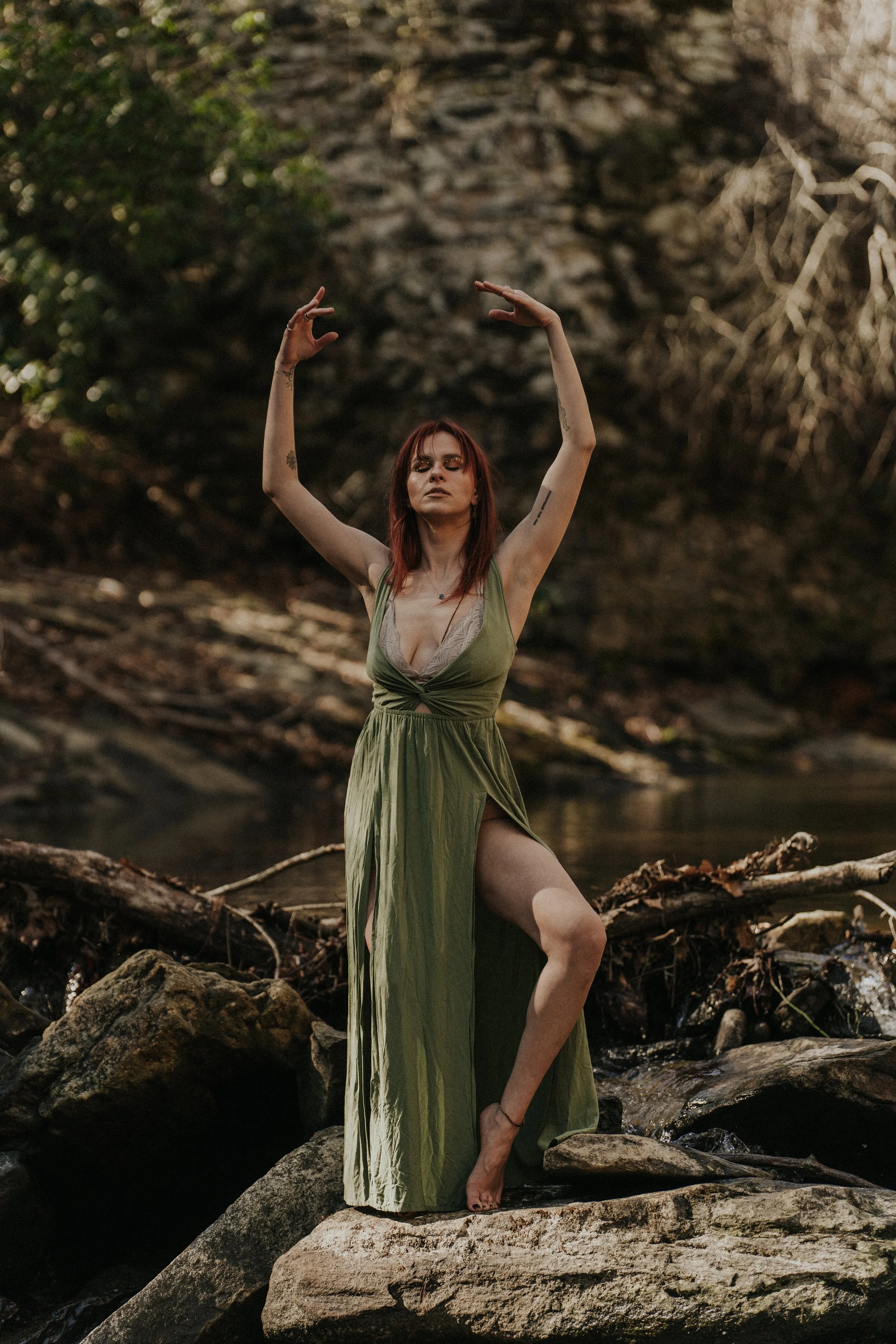
Stronger Harmony and Listening Skills

Group singing lessons give you the opportunity to practice harmony in real time instead of only learning your part alone. You can strengthen your ear, learn to hold your line while hearing other voices, and become more confident finding your place within a larger sound.
Healthier Vocal Technique for Each Singer

Being part of a group does not mean ignoring individual technique. Group vocal lessons can still support breath coordination, tone, range, resonance, stamina, and healthier singing habits while helping each person understand how their voice contributes to the group.
More Confidence Singing With and Around Others

Singing in front of other people can feel vulnerable, especially if you are used to practicing alone. Group voice classes create opportunities to become more comfortable being heard, making mistakes, experimenting, and sharing your voice in a supportive setting.
Better Blend, Musicality, and Creative Collaboration
Group vocal classes can help singers develop timing, dynamics, phrasing, blend, interpretation, improvisation, and musical responsiveness. The goal is not simply to make everyone sound the same, but to help individual voices work together in a more intentional and expressive way.
Group Voice Lesson Options

Group
Singing
Lessons
Group singing lessons are a flexible option for friends, small groups, or singers who want to develop their voices together. Sessions can combine shared exercises with opportunities to work on harmony, songs, technique, confidence, and the musical skills that matter most to your group.
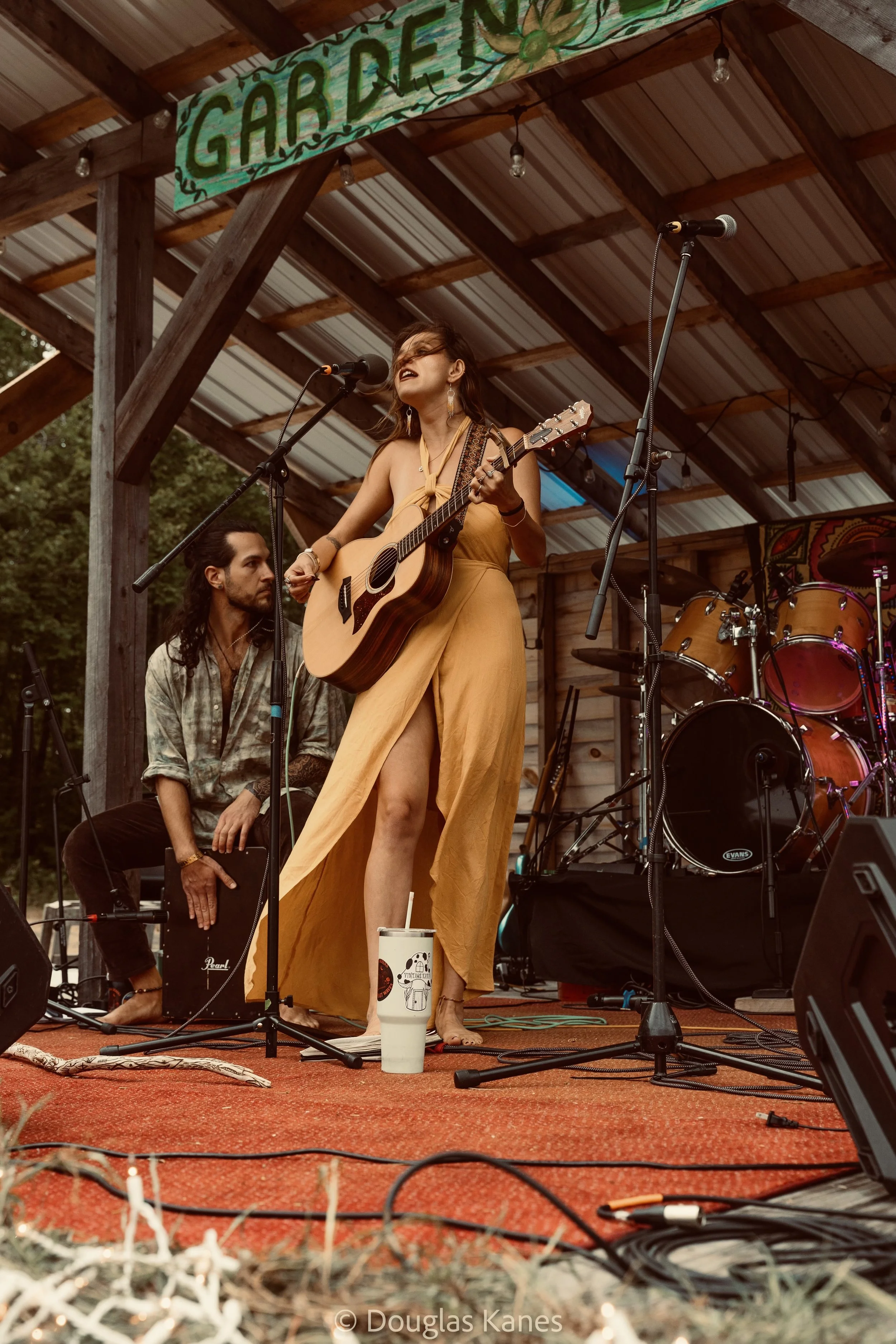
Voice Lessons
for Couples
and Families
Singing together can be a meaningful creative experience for couples and families. These sessions give you a shared activity while helping each person build confidence, listen more closely, explore harmony, and enjoy making music together.

Group Vocal Lessons for Bands, Duos, and Ensembles
For bands, duos, and other performing groups, vocal coaching can focus on how individual voices function within the whole. We can work on harmonies, blend, vocal arrangements, timing, phrasing, stage confidence, and the communication that helps a group feel more connected musically.
Choose Between In-Person or Online Group Voice Lessons
Group voice lessons can work well in person or online, depending on your group’s goals, location, and the kind of experience you want. Both formats can support harmony, vocal technique, confidence, communication, and creative collaboration while giving singers a chance to learn together.

In-Person
Group Voice
Lessons
In-person group voice lessons offer the benefit of singing together in the same room, which can make harmony, blend, timing, and musical communication feel more immediate. Being able to hear the other singers naturally can help each person respond more intuitively and understand how their voice fits within the group.
For groups in Asheville, in-person sessions can also make it easier to work on performance skills, microphone technique, and singing alongside instruments in a studio environment. This format can be especially useful for bands, duos, couples, or groups preparing to perform together.

Online
Group Voice
Lessons
Online group voice lessons offer greater flexibility for singers who are not in the same location or who need a format that fits more easily into busy schedules. Groups can still work on technique, harmony, phrasing, confidence, and shared musical goals while meeting virtually from wherever they are.
Online group singing lessons can also be a strong option for friends, families, or collaborators who live in different places but still want to make music together. The format keeps the coaching personalized while removing travel and location barriers that might otherwise make consistent group lessons difficult.
Meet Your Group Voice Teacher
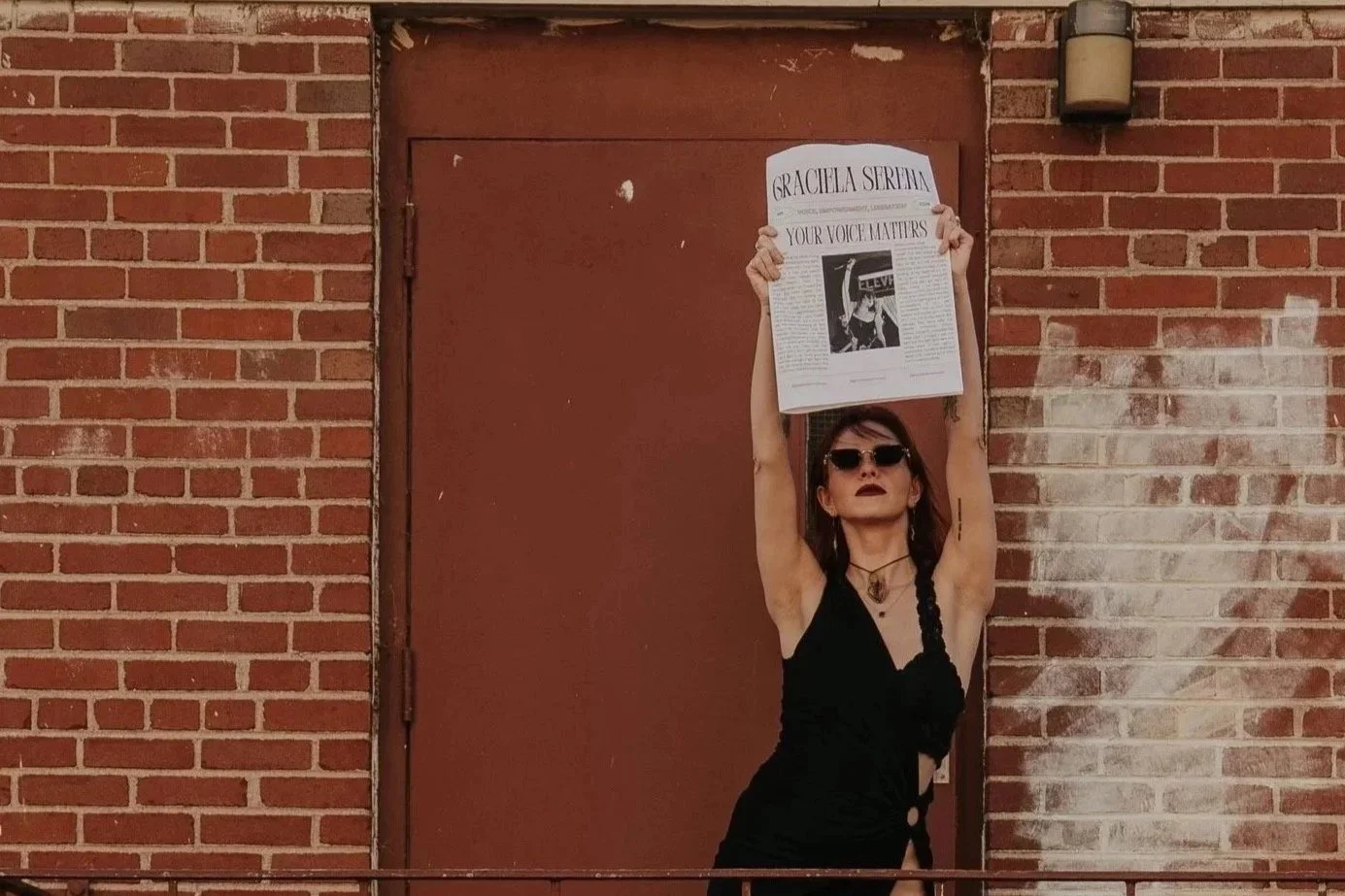
Graciela Serena
I bring together vocal mentorship, expression coaching, songwriting, and performance experience to help singers develop a more honest and confident relationship with their voice. My work goes beyond technique alone, creating space for vocal exploration, embodied awareness, creativity, musical connection, and the kind of self-trust that helps you use your voice more freely.
In group singing lessons, I also pay attention to what happens between voices. I help singers strengthen their individual technique while developing better harmony, listening, blend, communication, and confidence as a group. The goal is not perfection or uniformity, but helping each person contribute more fully to a sound that feels connected and alive.

How to Get Started With Group Voice Lessons
Getting started begins with a consultation so I can learn more about your group, your experience, and what you want to work on together. From there, we can shape your first group singing lesson around the goals that matter most, whether that means harmony, vocal technique, confidence, performance preparation, or simply enjoying singing together.
You do not need to arrive as a perfectly matched group of singers. Different voices, personalities, strengths, and experience levels are part of working collaboratively, and the sessions can be adapted so everyone has something meaningful to work on.

How Group Voice Lessons Take Your Singing to the Next Level
-
Good group singing begins with singers who understand their own instruments. Group vocal lessons can help you build healthier technique, greater consistency, and more confidence in your natural sound without asking you to disappear into the ensemble.
-
Breath, tone, resonance, range, and stamina all affect how comfortably you can sing with other people. Group voice classes give you space to refine those fundamentals while immediately applying them to songs, harmonies, and shared musical work.
-
One of the biggest challenges in group singing is hearing everyone else without losing your own part. Group singing classes help develop the listening skills that allow you to stay grounded in your line while noticing pitch, timing, dynamics, and balance around you.
-
Singing together is about more than being in tune. Group singing lessons can help you explore harmony, phrasing, dynamics, interpretation, blend, and the creative choices that turn several separate voices into one connected musical experience.
-
Consistent group vocal lessons give you a place to rehearse not only the music, but the experience of sharing it. You can become more comfortable singing around others, recovering from mistakes, communicating nonverbally, and staying present when attention shifts from practice to performance.

Expression Sessions + Vocal Lessons
Sometimes group work reveals something that would benefit from more individual attention. Private voice lessons offer additional one-on-one space to focus closely on technique, vocal goals, artistry, or performance challenges that are specific to you.
For students who want to go deeper into the relationship between voice and self-expression, Expression Sessions can also complement vocal training. These sessions create additional space to explore the patterns, self-consciousness, tension, or deeper blocks that may affect how fully your voice comes through.

“After not singing for two years, I started working with Graciela Serena and she opened up my voice as well as my heart! I'm a true believer in following your dreams, but I had almost given up. She encouraged me and challenged me. She was like a gem digger who knew how to bring the beauty to the surface. I highly recommend her services!”
— KD Forrestal— Former Client
Your Questions About Group Voice Lessons, Answered
-
Not necessarily. Different experience levels can work well together when the session is structured so each singer has an appropriate challenge. One person may be concentrating on basic pitch and breath while another is developing harmony independence, phrasing, or performance skills. Group singing classes create opportunities for singers to learn from those differences. More experience does not automatically mean one person has nothing to gain from working beside a newer singer.
What matters more is having shared expectations and goals for the group. A group vocal lesson can balance exercises everyone does together with specific adjustments for individual singers. This allows each person to keep progressing without expecting every voice to develop at exactly the same pace. Singing together is collaborative by nature, and learning how to work with different voices is part of that process.
-
Private lessons offer concentrated one-on-one attention, while group singing lessons give you the added experience of actively listening, harmonizing, blending, and responding to other voices. That makes the group format especially useful for singers who perform with other people or want to become more comfortable singing socially. You also get regular practice staying connected to your own voice while other sounds are happening around you. That is a skill that is difficult to recreate entirely on your own.
Group voice classes can also help make singing feel more communal and less isolated. You hear other people learn, experiment, make adjustments, and work through challenges alongside you. For some singers, that environment helps reduce perfectionism and build confidence more naturally. Neither format is inherently better; they simply offer different kinds of support.
-
Yes. Couples and families can use group voice classes as a way to learn something creative together while developing individual voices at the same time. Sessions can include shared warm-ups, songs, harmony, listening, and exercises that help everyone become more comfortable singing around one another. The experience can be musical without needing to be performance-driven. It can simply be a meaningful way to make music together.
A group singing lesson can also be shaped around the interests and experience of the people involved. Some families or couples may want to learn harmony, while others may want more confidence, better technique, or help singing favorite songs together. The shared format creates room for both individual growth and connection. That combination is part of what makes group lessons different from learning separately.
-
Yes. Group vocal classes give you repeated opportunities to sing while other people are listening, which can help being heard feel more familiar over time. You can practice staying connected to your breath, your song, and the other singers even when nerves or self-consciousness appear. Because everyone is participating in the process, the environment can feel more supportive than jumping immediately into a public performance. Confidence can build through repetition instead of pressure.
For groups that already perform, lessons can also address how everyone shows up together onstage. That may involve harmonies, entrances, musical communication, presence, recovery from mistakes, or simply learning to trust the people singing beside you. Group voice lessons help connect technical preparation with the relational side of performance. The result can be a group that feels more comfortable, responsive, and unified in front of an audience.
-
Group voice lessons combine vocal instruction with the practical experience of singing alongside other people. Depending on the group’s goals, a session might include warm-ups, technique, breath work, harmony, songs, listening exercises, performance skills, or time focused on specific musical challenges. Everyone is working toward shared goals, but individual voices still receive attention. The format allows you to learn both from direct coaching and from listening to the other singers around you.
A group singing lesson can also be adapted to the people who are actually in the room rather than following one rigid curriculum. A band preparing harmonies will need something different from a couple learning to sing together or a group that simply wants to become more confident. That flexibility keeps the work practical and relevant. The goal is to help the whole group improve while giving each singer useful tools for their own voice.
-
Yes. Group singing classes can be a welcoming way for beginners to start using their voices because you are not the only person singing, experimenting, or learning something new. The shared environment can make the process feel less exposed than always singing alone for a teacher. You can learn foundational technique while also developing your musical ear and becoming more comfortable hearing your voice alongside others. No one needs to arrive already polished.
Beginners can also learn a great deal by listening to how other singers approach the same exercise or song. Group voice classes give you repeated opportunities to practice pitch, rhythm, breath, harmony, and confidence in a real musical context. The work can be adjusted to suit the experience level of the group. What matters most is a willingness to participate and learn.
-
Yes. Group singing lessons are collaborative, but that does not mean your individual voice disappears into the room. There are opportunities to notice how each singer approaches breath, tone, pitch, range, phrasing, or tension and to make adjustments that help that person sing more comfortably. Individual feedback can then be applied immediately when everyone sings together. This helps connect personal vocal development with ensemble skills.
At the same time, group vocal lessons naturally divide attention differently than private lessons. If you have a highly specific vocal challenge that needs sustained one-on-one focus, private coaching may be a useful complement to the group work. The two formats can serve different purposes without competing with one another. Group sessions are especially valuable when your goals include both your individual voice and how you use it with other people.
-
Yes, and harmony is one of the biggest advantages of group voice lessons. Instead of practicing a harmony part only against a recording, you get to hear real voices moving around you while learning how to hold your own line. This can strengthen pitch awareness, listening, independence, and confidence. You also begin to understand harmony as a relationship between parts rather than simply a sequence of notes to memorize.
Group vocal classes can explore how voices fit together through intervals, blend, balance, dynamics, and phrasing. As you become more comfortable listening without abandoning your own part, harmony often starts to feel more intuitive. That skill can carry into bands, choirs, songwriting, live performance, and informal singing with other people. It is a highly practical form of ear training.
-
Absolutely. Bands and duos often need to think about vocals as a shared arrangement rather than a collection of separate singers. Group vocal lessons can help clarify who is singing which part, how harmonies should sit around the lead, where different voices should blend, and how dynamics can make an arrangement more effective. You can also work on timing, phrasing, performance confidence, and communication between singers. This gives the group a more intentional vocal sound.
For performing groups, these skills can also make rehearsals more efficient. When singers understand how their voices function together, it becomes easier to hear what needs adjustment and communicate about it clearly. Group voice lessons can help create a shared vocabulary around vocal technique and arrangement. That can support a stronger musical connection both in rehearsal and onstage.
Book Group Voice Lessons Today!
Whether you want to learn harmony, strengthen your vocal technique, sing more confidently with other people, or help your band or group develop a more connected sound, group voice lessons create space to grow together.
Book your introductory lesson to talk about your group and take the first step toward more confidence, musical connection, and expressive freedom through personalized group singing lessons.